
In the realm of feline healthcare, vaccinations play a pivotal role in safeguarding the well-being of our beloved companions. This article sheds light on the core vaccines recommended by veterinary experts, delves into additional preventive measures, and outlines the crucial importance of booster shots pet hospital.
By adhering to a structured vaccination schedule tailored for kittens, pet owners can navigate discussions on risks versus benefits with informed confidence. Stay informed and empowered to make the best choices for your furry friends.

Core Vaccines for Cats
To safeguard feline health, core vaccines for cats are essential according to veterinary guidelines pet medical centre. Core vaccines are crucial in preventing common and potentially fatal diseases such as feline panleukopenia, feline herpesvirus, and feline calicivirus. These vaccines provide a foundation of protection for all cats, regardless of their lifestyle or environment.
By ensuring that cats receive these core vaccinations, owners can help to establish a baseline level of immunity that can protect their feline companions from serious illnesses. Following proper vaccination protocols recommended by veterinarians is paramount in maintaining the health and well-being of cats.
It is important for cat owners to understand the significance of core vaccines and to prioritize their pets’ preventive healthcare to ensure a long and healthy life.
Additional Recommended Vaccinations
Continuing from the importance of core vaccines for cats, veterinarians often recommend additional vaccinations to provide comprehensive protection against a broader range of diseases. These additional vaccines are tailored to the cat’s lifestyle, environment, and individual health needs.
Some of the commonly recommended additional vaccines for cats include feline leukemia virus (FeLV), feline immunodeficiency virus (FIV), Chlamydia felis, and Bordetella bronchiseptica. FeLV and FIV vaccines are especially crucial for cats that spend time outdoors or live with other cats of unknown health status. Chlamydia felis and Bordetella bronchiseptica vaccines are recommended for cats in multi-cat households or those frequently exposed to other cats, such as in shelters.
Discussing these additional vaccination options with your veterinarian can help tailor a vaccination plan that best suits your cat’s individual needs.
Importance of Booster Shots
The importance of booster shots for cats following initial vaccinations cannot be overstated, ensuring prolonged immunity against prevalent diseases. Boosters help strengthen the cat’s immune response, providing an extra layer of protection as the initial vaccine’s effectiveness may diminish over time.
By administering booster shots at recommended intervals, typically annually or as advised by the veterinarian, cat owners can help safeguard their feline companions against serious illnesses. These additional doses stimulate the immune system to produce more antibodies, fortifying the cat’s defenses against specific pathogens.
Regular booster shots not only benefit the individual cat but also contribute to community immunity by reducing the spread of contagious diseases among feline populations. Prioritizing booster vaccinations is a crucial component of responsible cat ownership, promoting overall feline health and well-being.
Vaccination Schedule for Kittens
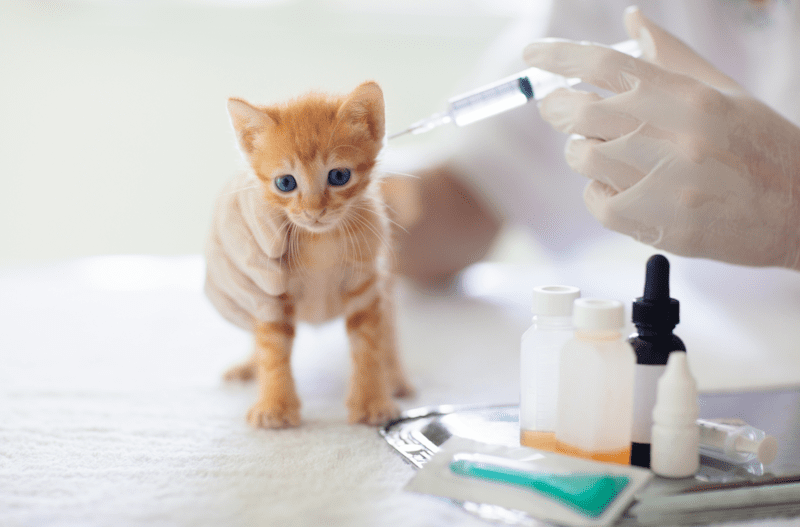
Transitioning from booster shots, the vaccination schedule for kittens plays a crucial role in establishing strong immunity against prevalent diseases. Kittens typically start their vaccinations at around 6-8 weeks of age.
The core vaccines recommended for kittens include those for feline viral rhinotracheitis, calicivirus, panleukopenia (FVRCP), and feline leukemia (FeLV). Boosters are then administered every 3-4 weeks until the kitten reaches around 16 weeks of age.
After the initial series, these core vaccines are usually boosted a year later and then every three years after that. It’s important to consult with a veterinarian to tailor the vaccination schedule to the individual kitten’s needs, lifestyle, and risk factors.
Following this schedule diligently can help ensure a long and healthy life for your feline companion.
Discussing Vaccination Risks and Benefits
When considering the vaccination schedule for kittens, it is important to weigh the risks and benefits associated with each vaccine. Vaccines play a crucial role in preventing various infectious diseases that can be harmful to cats. However, like any medical intervention, vaccines also carry potential risks.
These risks may include mild side effects such as lethargy or soreness at the injection site, as well as more serious but rare adverse reactions. On the other hand, the benefits of vaccination far outweigh the risks, as they provide protection against life-threatening illnesses.
It is essential for cat owners to have open discussions with their veterinarians regarding the risks and benefits of vaccinations to make informed decisions about their kitten’s health and well-being.
Conclusion
In conclusion, following the recommended core vaccinations and additional vaccinations for cats, along with adhering to a proper vaccination schedule, is crucial for maintaining their health and preventing the spread of diseases.
Booster shots play a vital role in ensuring long-term immunity.
It is important for cat owners to discuss the risks and benefits of vaccinations with their veterinarian to make informed decisions for their pet’s well-being.